A packed park during peak season should be every developer’s dream. However, when wait times hit two hours, excited visitors quickly turn into frustrated reviewers leaving 1-star ratings online. In modern water park management, long water park queue times are the ultimate silent killer of customer retention and profitability.
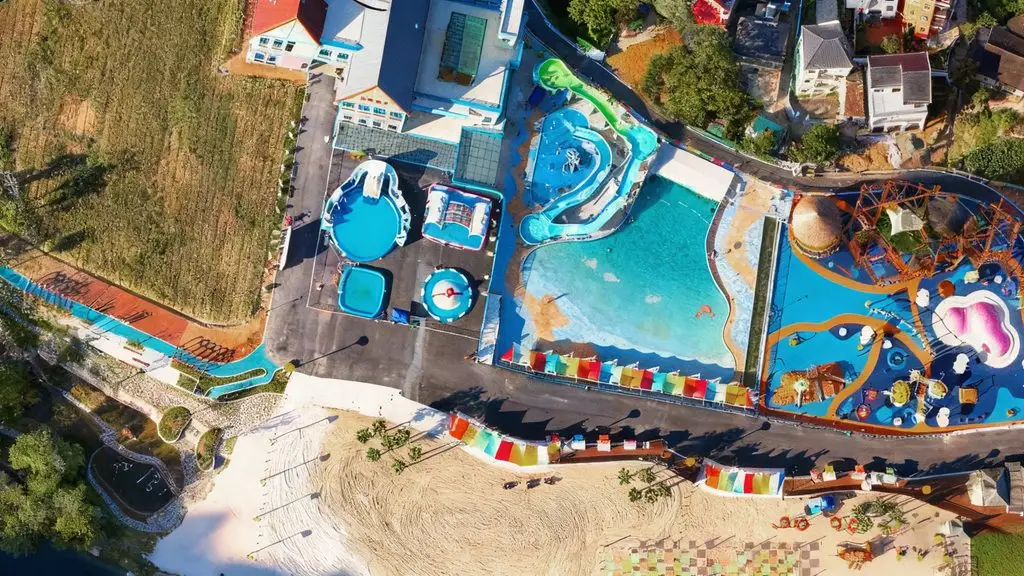
Why do properties with multi-million-dollar investments still suffer from gridlocked foot traffic? The root cause lies in fundamental water park design flaws. By restructuring your water park equipment mix, you can boost overall water park capacity and guest throughput by up to 40% without increasing land size.
Flaw 1: Prioritizing flagship water park slides over high-throughput anchor attractions
Many park operators fall into the trap of purchasing giant, flashy signature rides. While iconic tornado slides generate great marketing photos, their individual throughput (PPH – Persons Per Hour) is often surprisingly low.
- Thrill rides handling only 300 to 400 PPH cannot digest sudden surges of thousands of guests.
- Without high-capacity anchor rides, foot traffic backs up on stair towers, driving up water park queue times.
Flaw 2: Rigid traffic circulation without strategic water park diversion zones
Parks built without professional water park planning often force guest movement into narrow, single-lane corridors.
- A lack of natural pause points creates major bottlenecks where main walkways meet slide entryways.
- Dining and retail spaces fail to intercept crowd flow, leaving visitors with no choice but to stay in line for water park equipment.
Flaw 3: Ignoring the golden ratio between stay duration and water park throughput
A profitable water park layout relies on precise mathematical balancing of ride capacities.
The Golden Ratio Model: Unlocking 40% More Water Park Throughput
To eliminate water park queue times, developers must implement a three-tiered water park equipment selection strategy:
- The Mass Absorption Layer (50% Capacity): Water park wave pools and lazy rivers
- A water park wave pool acts as a continuous sponge, accommodating thousands of guests simultaneously with zero line assembly.
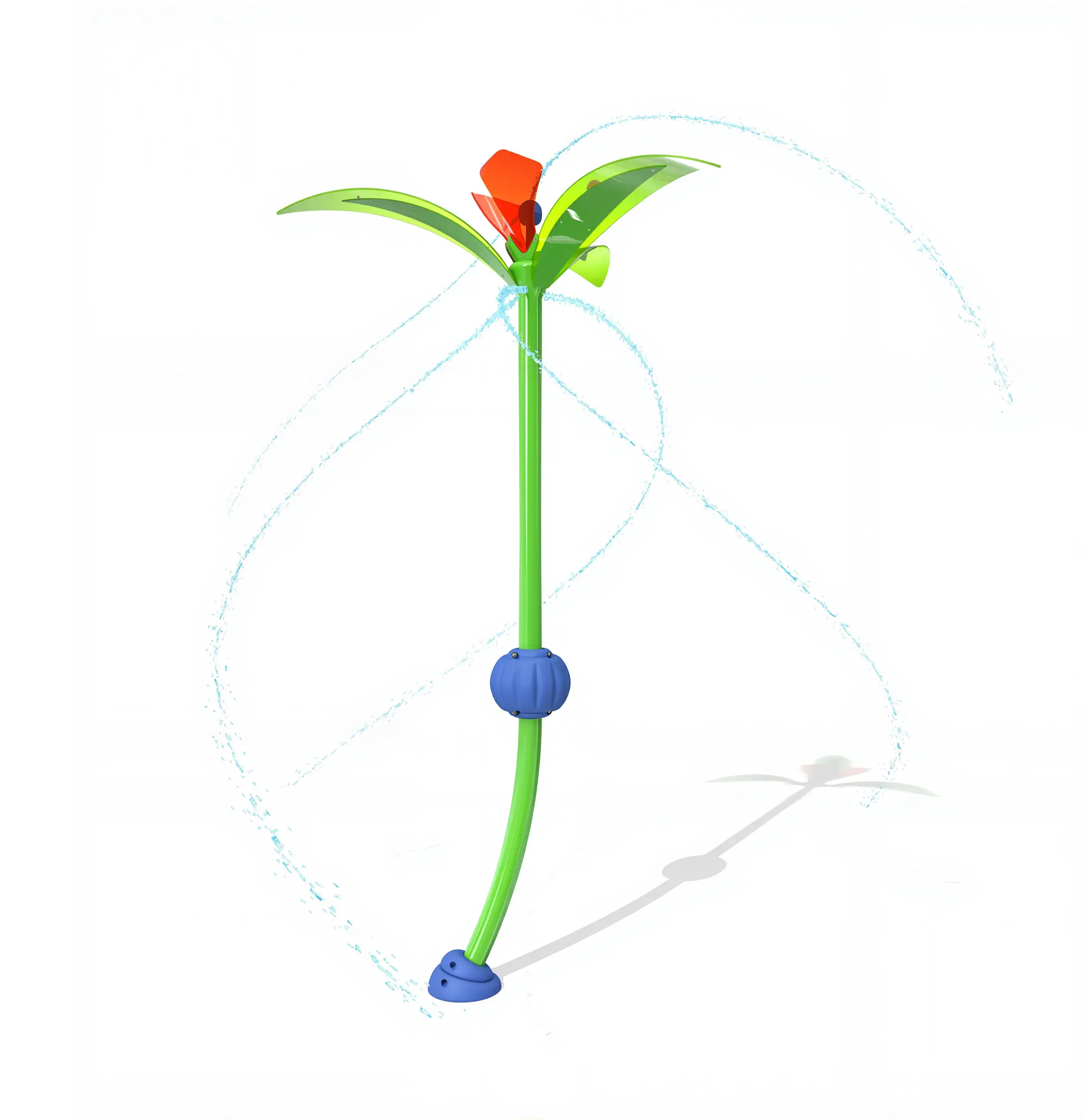
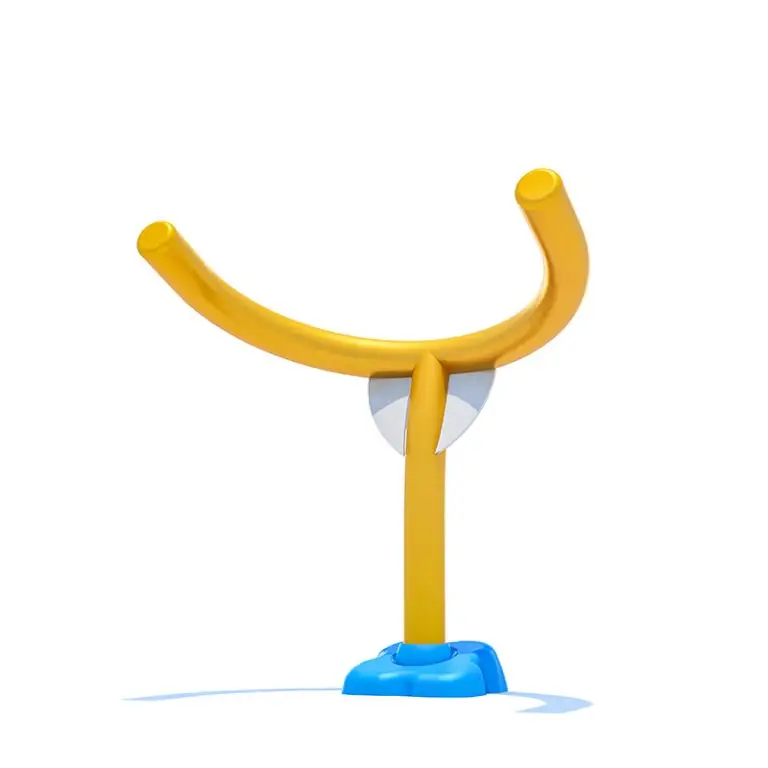
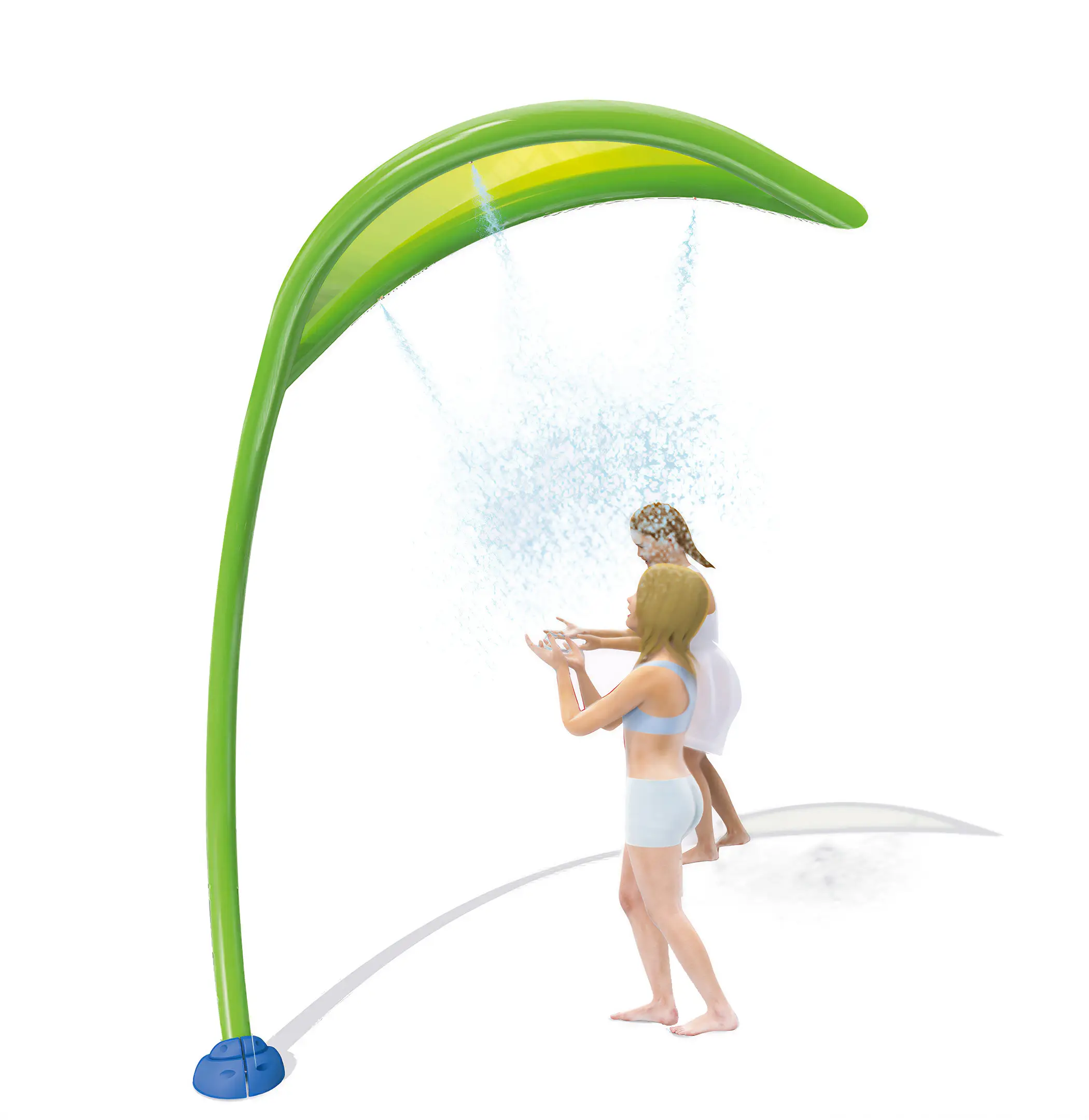
- The Family Diversion Layer (30% Capacity): Interactive water park play structures
- Multi-level splash fortresses keep families entertained for 1 to 2 hours, taking massive pressure off primary slide towers.
- The Thrill Experience Layer (20% Capacity): Multi-lane water park slide combinations
- Grouping multiple water park slide designs onto shared launch towers maximizes platform efficiency and boosts hourly dispatches.
The Traffic Diversion Logic: Maximizing Your Water Park Capacity
Calculating optimal park distribution can be simplified with this planning approach:
Total Instantaneous Park Capacity = (Water park wave pool area × 0.8) + (Interactive water park splash pad capacity × 1.2) + (Combined PPH of all water park slides ÷ 2)
By balancing equipment selection to favor high-PPH assets, operators can achieve a 40% increase in effective water park capacity.
Partner with Experts for High-ROI Water Park Planning
Overcoming long water park queue times isn’t about limiting ticket sales—it’s about smart water park equipment layout and engineered traffic flow. At Daqi Water Park Equipment, we specialize in comprehensive water park design and manufacturing that balances high thrill factor with maximum hourly throughput.
Visit daqiwaterpark.com today to request a free water park equipment layout audit and unlock your park’s full revenue potential.