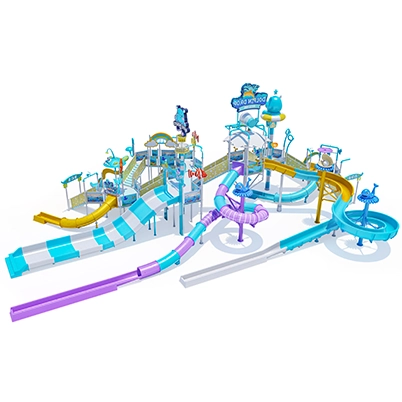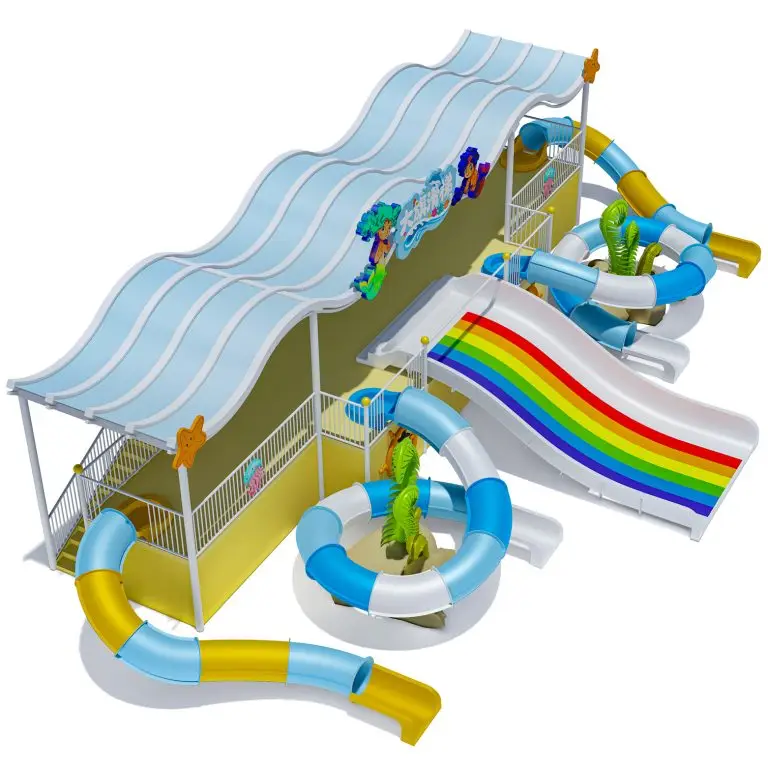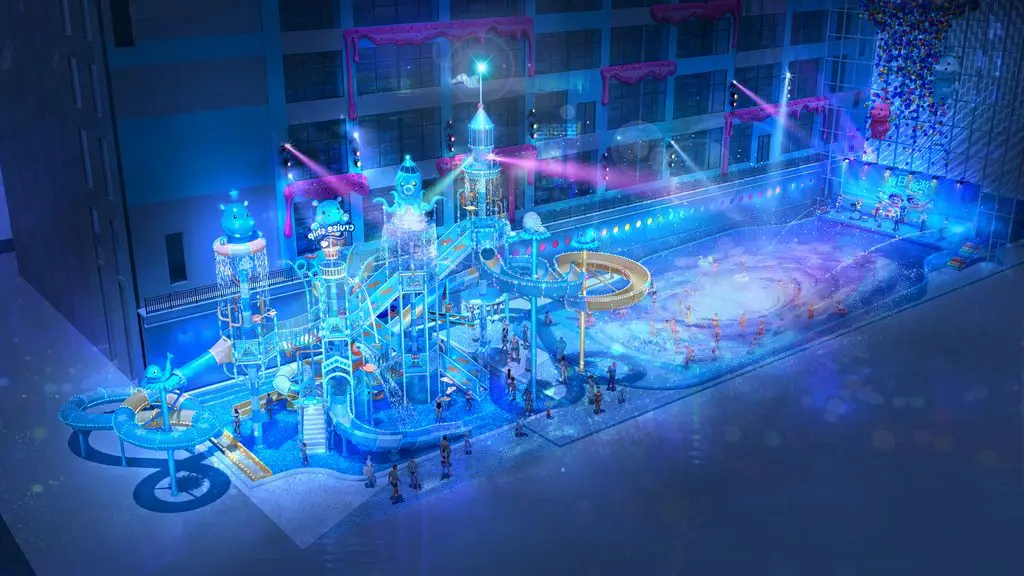
As night falls, the stunning, immersive lighting effects inside transparent and translucent FRP (Fiberglass Reinforced Polymer) water slides often serve as the ultimate crowd-puller for water parks, driving night-time attendance and revenue. Yet, behind the visual splendor, many park investors and project managers face a frustrating reality: just months after grand opening, the LED strips begin to fail—suffering from water ingress, flickering, dead pixels, and severe lumen depreciation. This not only spikes water park equipment maintenance expenses but also damages the park’s operational reputation.
Why do these high-end lighting systems fail so quickly? It is rarely a simple manufacturing defect; rather, it stems from systemic oversights in engineering details and material physics. This guide breaks down the root causes of translucent water slide lighting failure and shares three critical sealing strategies mastered by elite engineering teams.
1. Why Do Transparent and Translucent FRP Slide Lights Fail So Fast?
To eliminate water park LED strip short circuit issues permanently, one must understand the hostile outdoor environment these lighting systems endure:
Thermal Expansion and Contraction
Under blazing daytime sunlight, FRP slide surfaces heat up intensely. By contrast, nighttime brings temperature drops and cold circulating water. This extreme thermal fluctuation causes mismatched expansion and contraction rates between standard sealants and the fiberglass substrate, eventually forming micro-fissures that invite moisture and vapor inside.
Capillary Action and Condensation Ingress
Water parks are defined by high-humidity microclimates. Temperature differentials between the inside and outside of the slide create internal condensation. Driven by capillary action, this moisture creeps inward through microscopic joint gaps, silently degrading sensitive circuitry.
Chemical Attack from Pool Sanitizers
Pool water is treated with chlorine and other chemical disinfectants. Over time, inferior potting compounds are rapidly degraded and corroded by these chemical agents, causing waterproof barriers to harden, crack, and fail prematurely.
2. 3 Fatal Sealing Details Every Water Park Developer Must Get Right
To prevent water ingress and ensure long-term durability, leading water park builders have moved far beyond basic surface caulking when executing FRP slide construction details. Here are three non-negotiable engineering standards:
Detail 1: Beyond Surface Sealing—IP68 Dual-Component Epoxy Potting
Surface sealants alone cannot withstand high-pressure vapor migration. Premium slide illumination requires an integrated architecture featuring IP68 waterproof potting adhesive, mechanical locking clips, and independent waterproof chambers. Vacuum-potted in high-grade epoxy resin, the LED components remain completely isolated from moisture, ensuring continuous operation even if outer layers face wear.
Detail 2: Micro-Stress Relief & Concealed Drainage Systems
Rigid, “dead-locked” sealing invites failure. Scientific expansion joints must be engineered at FRP panel junctions to absorb thermal stress. Furthermore, a precision-crafted concealed micro-drainage channel system safely directs any incidental moisture or condensation toward low-pressure exterior zones, preventing any pool of water from lingering inside the profiles.
Detail 3: The Iron Rule of Sealant Compatibility
Never compromise on sealing materials. Projects must exclusively utilize high-modulus neutral silicone structural sealants or dedicated aquatic-grade adhesives with exceptional weathering and movement capabilities. Acid-cure general-purpose silicone must be strictly avoided, as its chemical byproduct accelerates the aging and delamination of the FRP gel coat, triggering severe leak risks.
3. Frequently Asked Questions (FAQ): Expert Insights on Slide Maintenance
Q1: How to Perform Non-Destructive Testing and Rapid Maintenance on Translucent Slides?
Answer: Modern, high-end slide lighting systems utilize segmented modular circuit architectures paired with reserved quick-service access ports. When a localized fault occurs, maintenance crews can pinpoint and replace the specific malfunctioning segment without tearing down slide panels or compromising the fiberglass structure, minimizing downtime.
Q2: How to Balance Transparency, Heat Dissipation, and Waterproofing?
Answer: Transparent and translucent slides leave virtually zero margin for bulky internal hardware. The ideal solution optimizes LED luminous efficacy alongside high-conductivity aluminum core boards, leveraging the inherent thermal conductivity of FRP combined with low-temperature cold light sources. Lower operating temperatures eliminate thermal-induced deformation of sealing structures, achieving a seamless balance between aesthetics, heat management, and waterproofing.
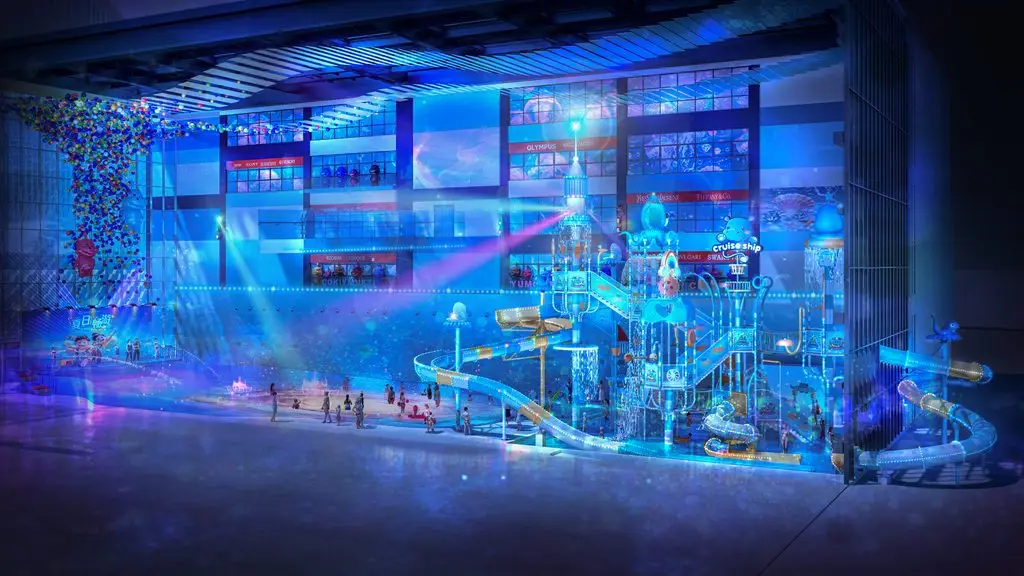
4. Partner with DAQI for Durable Water Park Solutions
Building a water park that combines breathtaking visual design with long-term reliability demands uncompromising standards across material selection and engineering execution. As an industry-leading manufacturer, DAQI water park manufacturing delivers turnkey solutions—ranging from premium FRP slides and advanced waterproof sealing systems to custom water park equipment engineering.
Whether you are planning a new water park or looking to upgrade an existing facility plagued by equipment wear and lighting failures, our engineering experts are ready to assist. Contact DAQI today to secure customized, resilient solutions designed to stand the test of time and keep your park ahead of the competition.