In commercial water park operations, the family demographic accounts for the largest share of ticket revenue, cabana rentals, food and beverage sales, and repeat visits. Despite this, one of the most common layout mistakes developers make is placing all children’s play elements into a single, unsegregated pool area.
Children across different age brackets vary significantly in motor development, physical strength, water confidence, and hazard perception. Older, high-energy kids can easily injure toddlers during active play, while gentle, low-thrill installations fail to hold the interest of school-aged children.
Implementing a structured, age-partitioned layout is not merely a safety precaution—it is a proven strategy for extending guest dwell times, improving online ratings, and increasing overall park profitability.
1. Ages 0–3: Toddler Splash & Micro Play Zone
Guest Profile & Risk Factors
- Physiology & Behavior: Limited balance and core strength, zero water confidence, sensitive skin, easily overwhelmed by strong currents or sudden loud noises.
- Safety Mandate: Zero standing water depth, high-traction shock-absorbing surfacing, low-velocity misting, completely free of sharp corners.
Recommended Equipment Mix
- Zero-Depth Splash Pads: Eliminate open pools entirely. Utilize ground-level sprays, gentle fountains, and soft misting nozzles so toddlers can interact with water without drowning hazards.
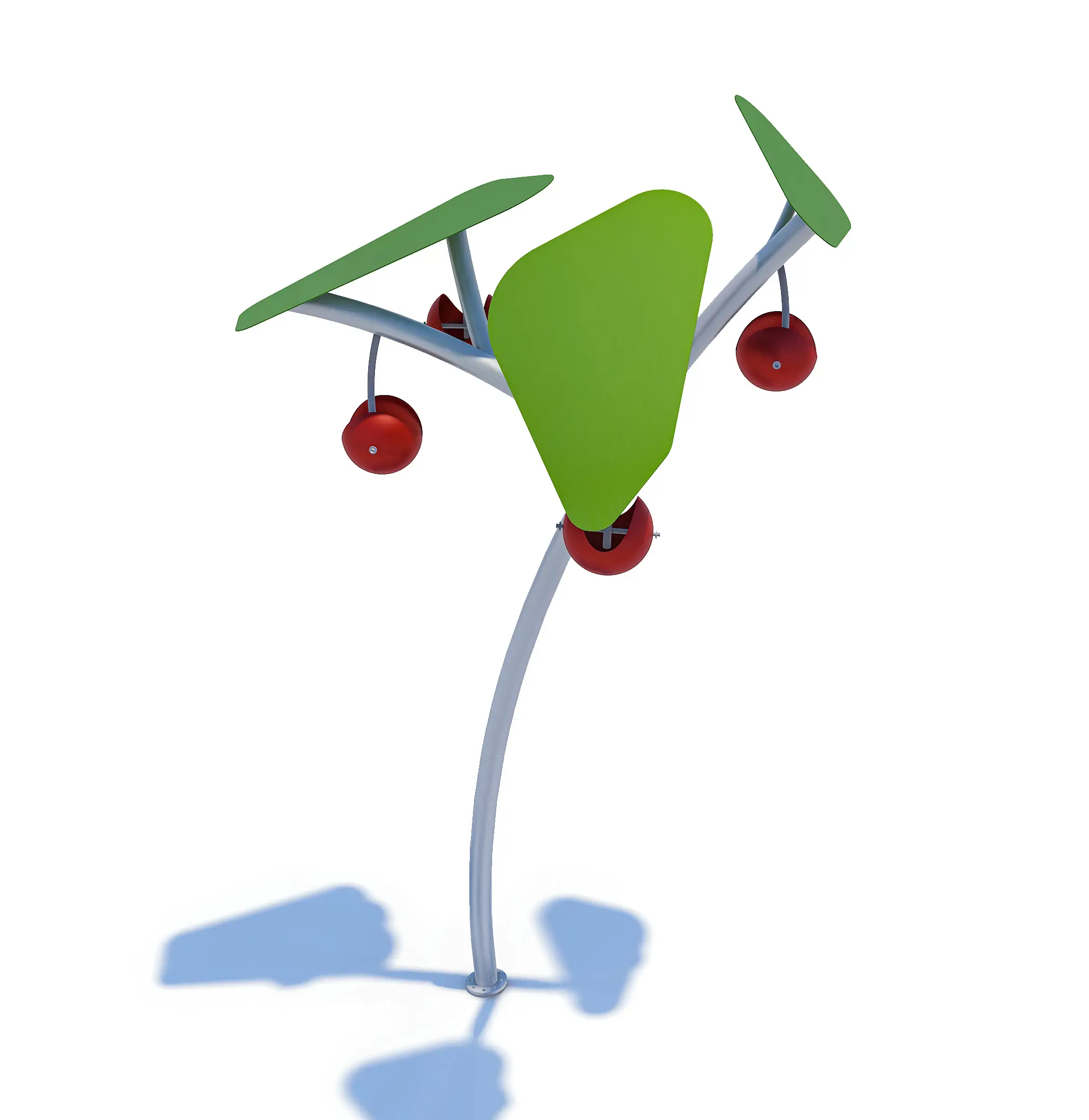
- Tactile & Low-Pressure Water Features: Mushroom sprayers, cartoon rainbow spray arches, and floating aquatic models. Water pressure must be calibrated to ensure spray impact remains soft and comfortable for eyes and skin.
- Soft Micro-Slides: Gentle fiber-reinforced plastic (FRP) or padded slides under 1 meter in height, designed with wide entryways so parents can stand directly alongside to assist.
Site & Engineering Specifications
- Surfacing: Must be paved with EPDM rubber granules or specialized high-elasticity aquatic wet-deck flooring for cushion and anti-slip protection.
- Water Treatment & Temperature: Requires an independent filtration loop maintaining water temperatures between 28°C and 30°C (82°F–86°F) and meeting drinking-water-grade filtration standards.
2. Ages 4–8: Children’s Discovery & Theme Zone
Guest Profile & Risk Factors
- Physiology & Behavior: Developing coordination, highly curious, eager for role-play and social interaction, but still lacking reliable hazard assessment.
- Safety Mandate: Shallow water depths, anti-entrapment design standards, slip-resistant access steps, unobstructed sightlines for parental oversight.
Recommended Equipment Mix
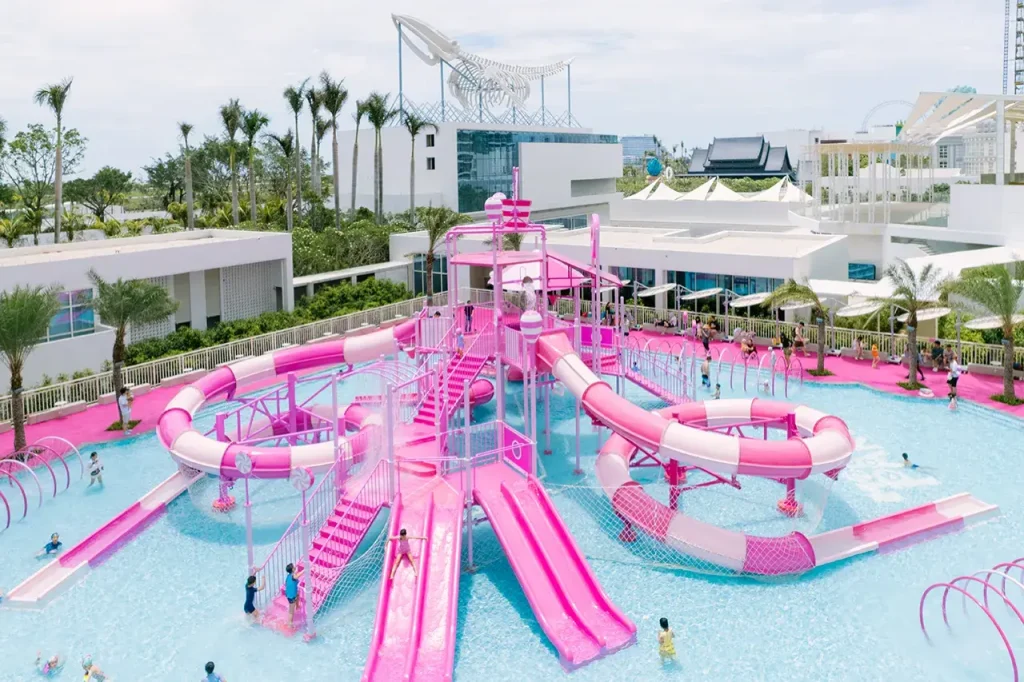
- Medium Multi-Level Aqua Play Structures: Integrated play towers featuring small tipping buckets, climbing nets, water guns, and enclosed body slides. Popular themes include Pirate Adventure, Tropical Jungle, or Marine Life.
- Junior Racer & Mini Tornado Slides: Scaled-down versions of iconic adult attractions, giving young children the thrill of bigger rides in a completely controlled environment.
- Interactive Water Controls: Hand-crank water wheels, target-shooting water jets, and adjustable gate valves that allow children to manipulate water paths.
Key Safety Parameters
- Water Depth: Maintained strictly between 0.2 m and 0.3 m (8–12 inches).
- Anti-Entrapment Standards: All structural gaps, ladder steps, and railing spacing must strictly conform to anti-entrapment rules (<8 mm or >25 mm) to prevent finger or head entrapment.
3. Ages 9–12+: Youth Challenge & Family Thrill Zone
Guest Profile & Risk Factors
- Physiology & Behavior: High energy levels, seeking speed, competition, and shared experiences with parents or peers.
- Safety Mandate: Extended deceleration zones, heavy-duty structural load limits, controlled plunge depths, and managed flow velocity.
Recommended Equipment Mix
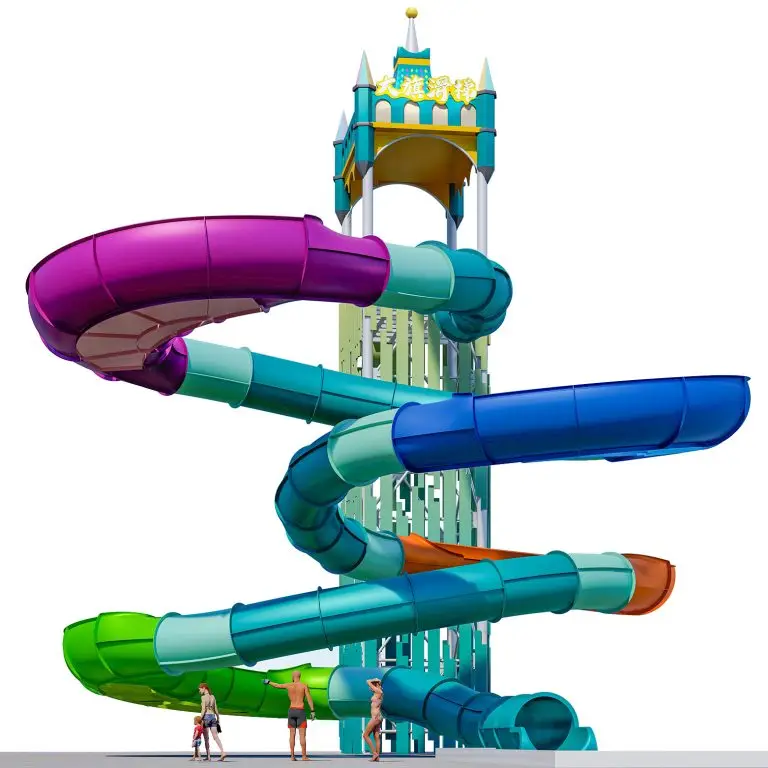
- Large Aqua Play Towers with Giant Tipping Buckets: A massive tipping bucket acts as the primary visual anchor for the zone, periodically drenching the deck and generating crowd excitement.
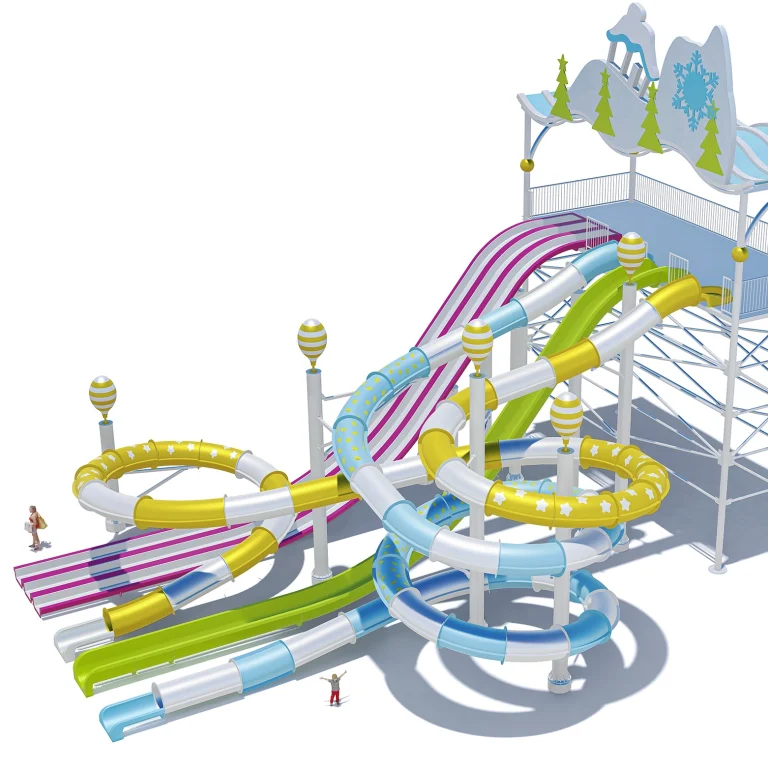
- Multi-Lane Family & Mat Racer Slides: Slides designed for multi-person rafts or parallel mat racing, allowing family members to ride together.
- Floating Obstacle Courses: Inflatable or semi-rigid floating pads, balance beams, and overhead cargo nets that challenge agility and balance over water.
Key Safety Parameters
- Water Depth: Kept between 0.6 m and 0.9 m (2–3 feet).
- Landing Buffers: Slide exits must feature runout flumes (skid-out channels) or deep, properly engineered splash pools to absorb landing velocity and prevent pool floor contact.
4. B2B Procurement & Compliance Checklist for Operators
A single safety incident in a family area can inflict severe operational and reputational damage. When sourcing equipment from manufacturers, park investors and operators should verify the following technical parameters:
- Material Safety Certification: All FRP gelcoats and surface coatings must hold non-toxic environmental certification (conforming to REACH or national food-contact safety standards).
- Edge Geometry: All metal support frames and FRP edges must feature a minimum edge radius of R ≥ 3 mm, with zero sharp protrusions.
- Anti-Slip Grading: Stairs, entry steps, and elevated platforms must meet an R11 anti-slip rating or higher.
- High-Rate Turnover Systems: Family zones carry higher bather loads per square meter; water turnover rates should be designed for 1 to 2 hours per complete cycle (significantly faster than adult pools).
- Sightline Integrity: Play towers and frame structures must be engineered without visual blind spots, enabling lifeguards to maintain 360-degree oversight from the perimeter.
5. Frequently Asked Questions (FAQ)
Q1: How much total footprint is required to build an age-partitioned family zone?
A basic family zone can be configured starting from 300 to 500 square meters, covering a toddler splash pad and a medium aqua play tower. Commercial parks aiming for a full three-tier zoning system typically allocate 1,500 to 3,000+ square meters to allow comfortable clearance, circulation paths, and shaded parent seating.
Q2: Can different age zones share the same pool basin?
It is strongly recommended to physically segregate or hydraulically separate basins across age groups. Toddler areas should remain zero-depth splash pads, while older kids’ areas require shallow pools. Using raised curbs, dry walking paths, or transition zones between areas prevents older children from running through toddler zones.
Q3: What water treatment upgrades are needed for kids’ play areas?
Because children’s areas experience higher relative bather density, systems should incorporate automated chemical dosing (pH and free chlorine monitoring) alongside UV or ozone secondary disinfection. High-rate sand filters or regenerative media filters should be sized for a 1-to-2-hour turnover loop.
Q4: Can play structures be customized to match our park’s custom IP or theme?
Yes. Modern FRP manufacturing allows custom color palettes, custom thematic fiberglass elements (e.g., specific animal mascots, historical ships, futuristic structures), and tailored entry arches to align with your overall park narrative.
6. Partnering with Daqi Water Park for Safe, Profitable Family Attractions
Daqi Water Park brings decades of industry experience in water park master planning, equipment R&D, and precision manufacturing. We understand how to balance child psychology, strict international safety standards, and commercial yield for park owners.
From initial age-zoning layout design and custom equipment production to water engineering and turnkey installation, our engineering team delivers cost-effective, zero-accident, high-return family play zones tailored to your site specifications.
Contact the engineering and planning team at Daqi Water Park today to receive a customized equipment package, preliminary layout concept, and quotation for your project.